
Frostline keeps residential AC and HVAC systems running efficiently with scheduled maintenance and seasonal tune-ups. A full inspection catches small problems early, lowers your energy bill, and adds years to the system. In Florida, that means a tune-up twice a year. Air conditioning maintenance is the cheapest hour you will spend on the system all year. An air conditioner seen twice a year keeps its efficiency, and HVAC service records matter at resale too.
Get Your Free Quote
Thank You For Your Submission!
A team member will be reaching out to you shortly.




A system that's running fine can still be overdue for maintenance. These are the signs it's time to schedule a tune-up, and what each one points to before it turns into an AC repair call. Air conditioning rarely fails without warning. HVAC maintenance is mostly about catching the small things, and a professional visit twice a year costs less than one summer repair.
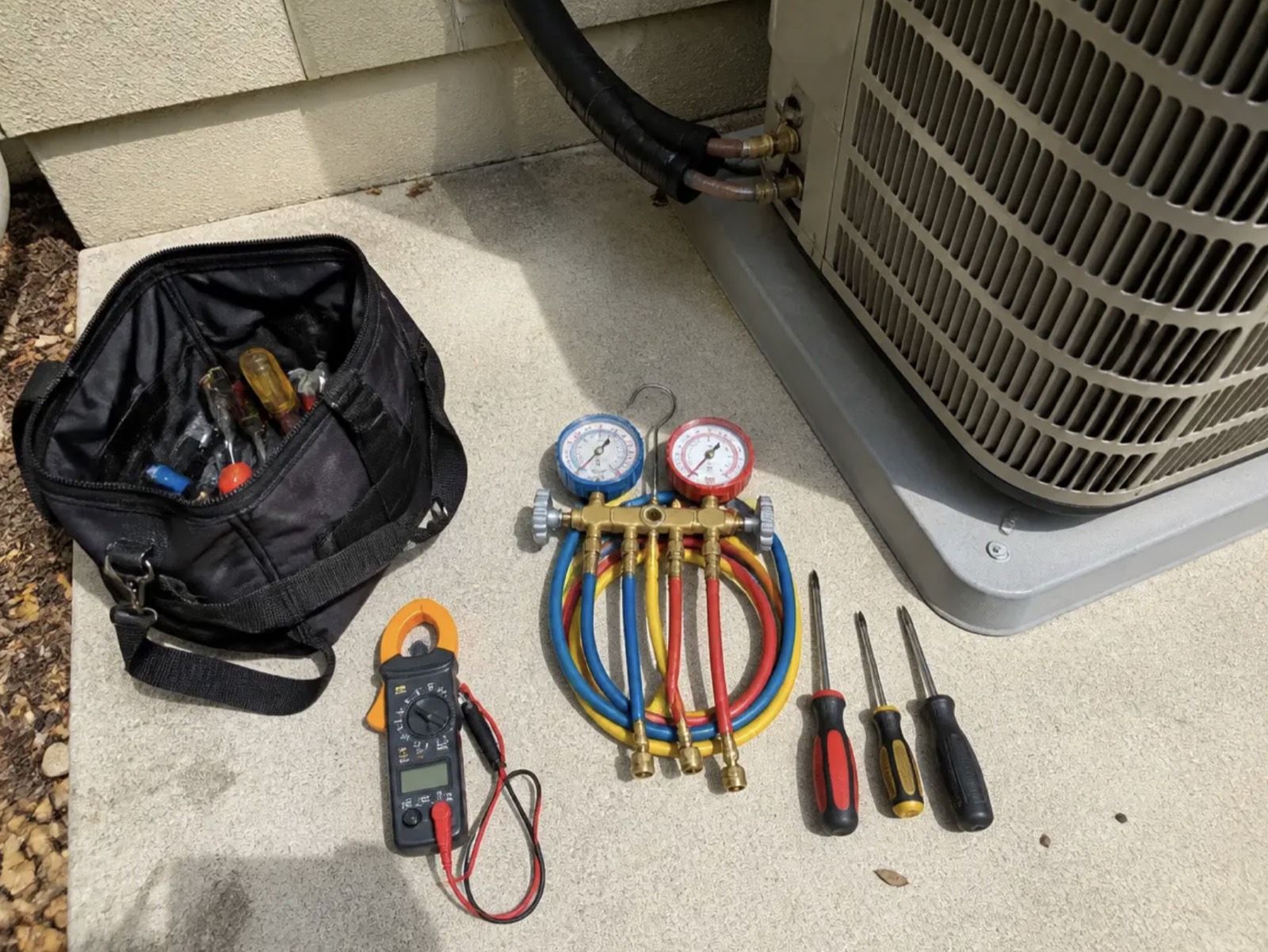
Your cooling bill climbs while your usage stays the same. A dirty coil or a clogged filter makes the system work harder for the same cooling. The U.S. Department of Energy notes a dirty coil can raise energy use by 30% or more. A dirty coil makes the air conditioner work for cooling it never delivers. HVAC maintenance clears that before the bill shows it.
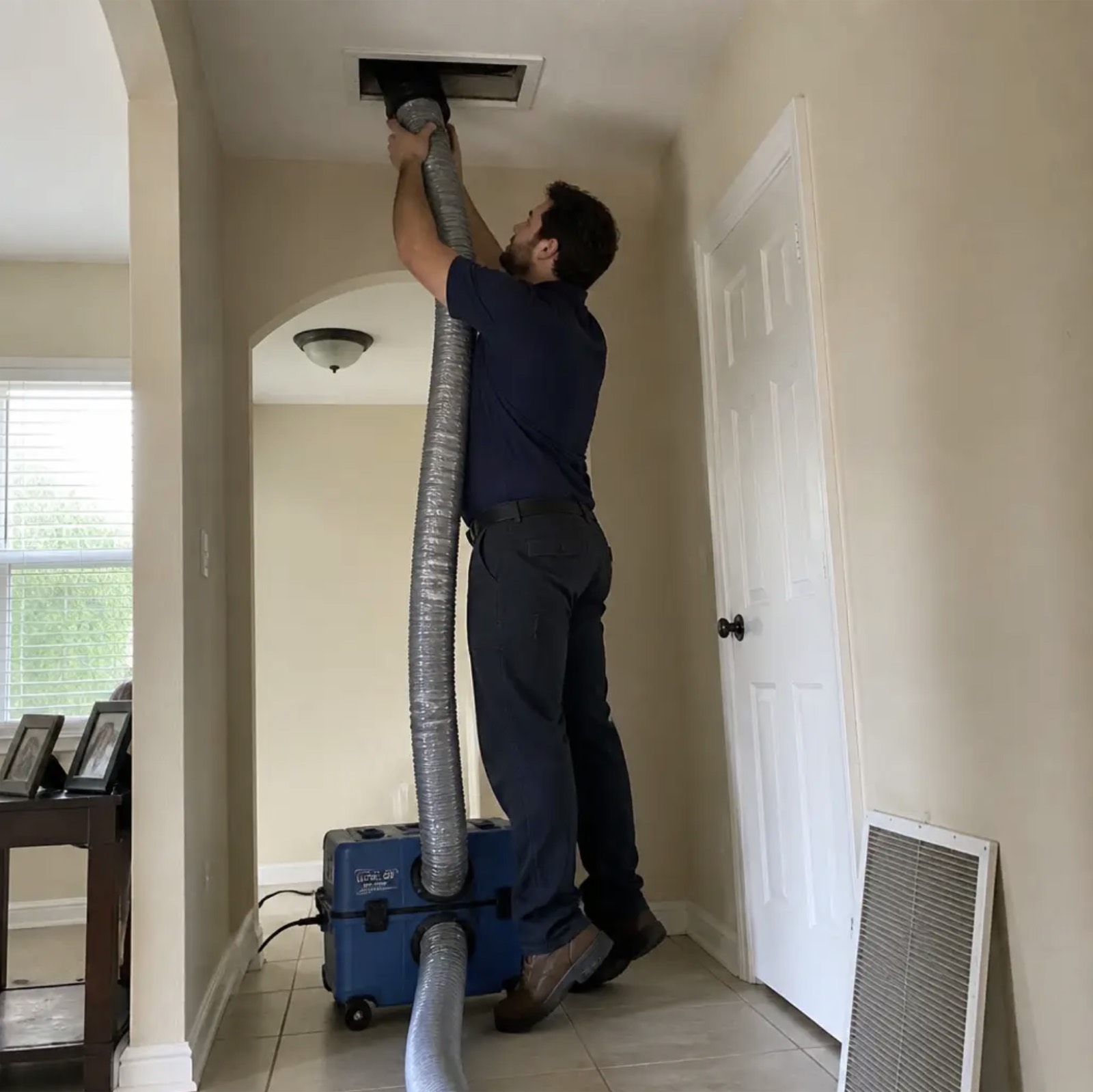
The air from the vents feels weaker than it used to. A clogged filter or a dirty blower restricts airflow, which strains the system and cuts cooling. Even a thin layer of dirt on the coil can drop efficiency by about 20%. Weak air is the first thing homeowners notice. Air conditioning performance drops long before the unit stops, and a maintenance visit restores it.
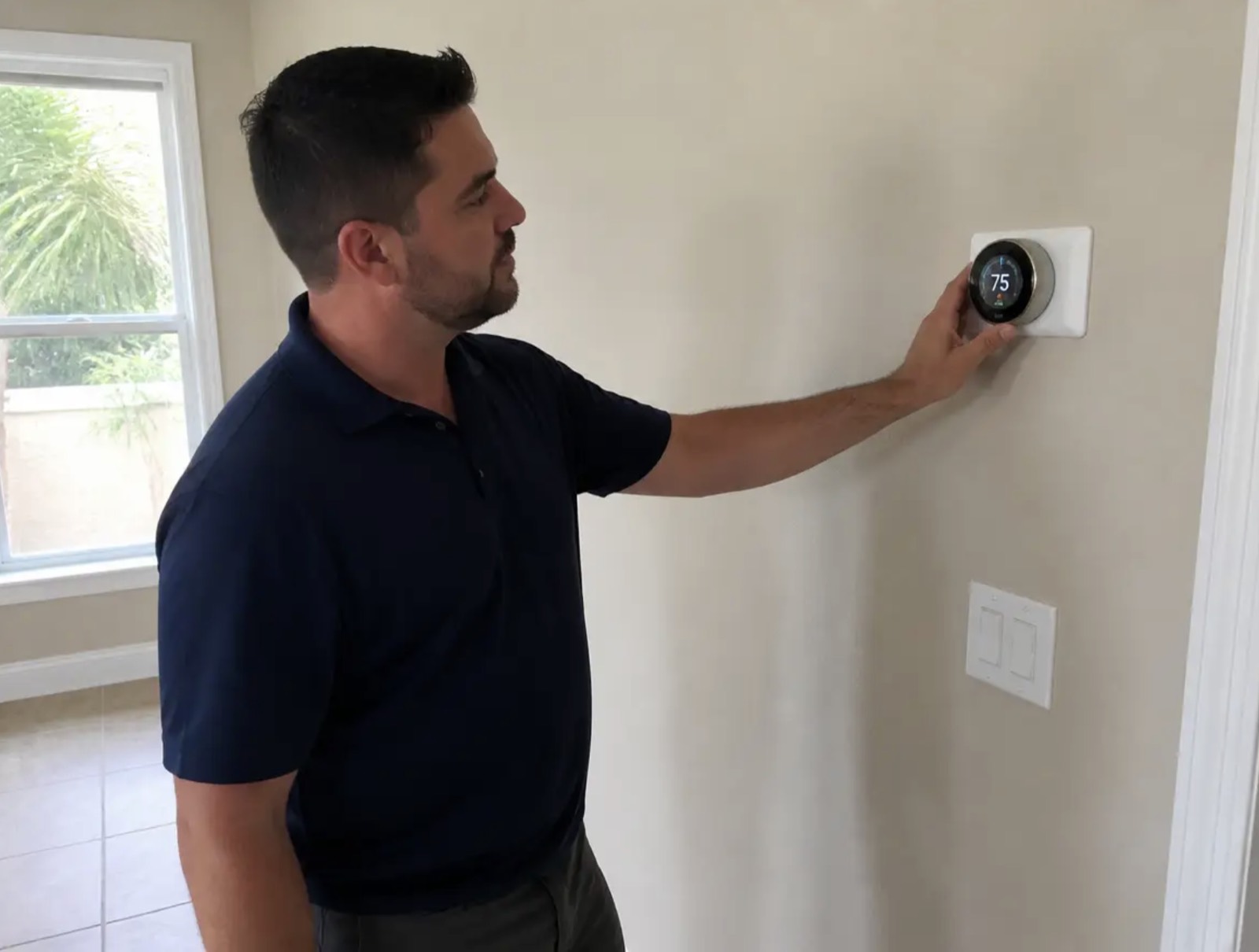
The system runs long to reach the set temperature, or barely shuts off on hot afternoons. Restricted airflow and low refrigerant both make an AC run long. A tune-up finds the cause before it wears down the compressor. Long runtimes are an air conditioning symptom, not a habit. HVAC service catches the cause while it is still cheap to deal with.
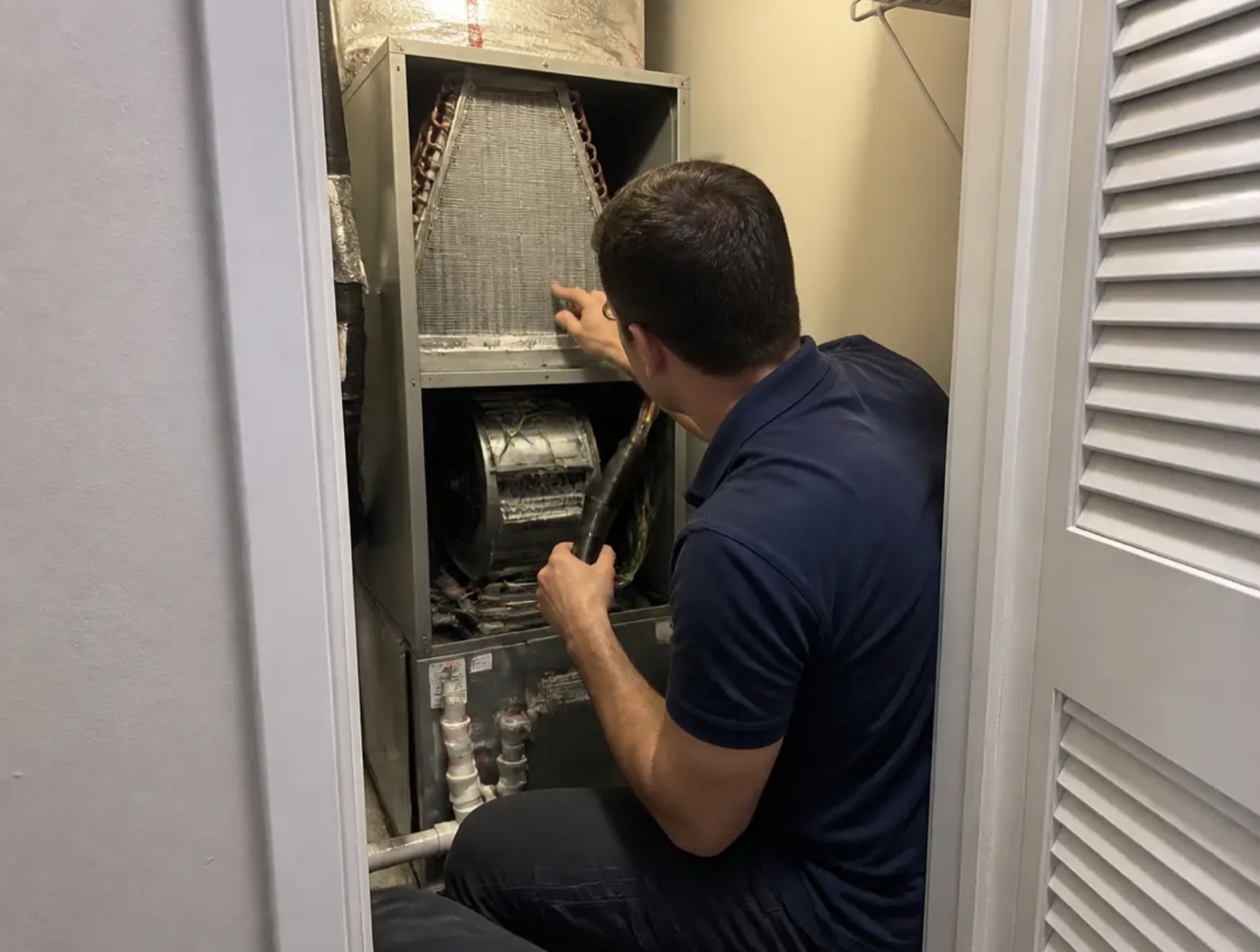
A musty or moldy smell usually means buildup in the condensate drain line or on the coil. Florida humidity feeds algae growth in the drain line, which is one of the most common maintenance issues here. Coastal humidity keeps the drain line working all season. Air conditioner maintenance here is less optional than up north, where the heating months give equipment a rest.
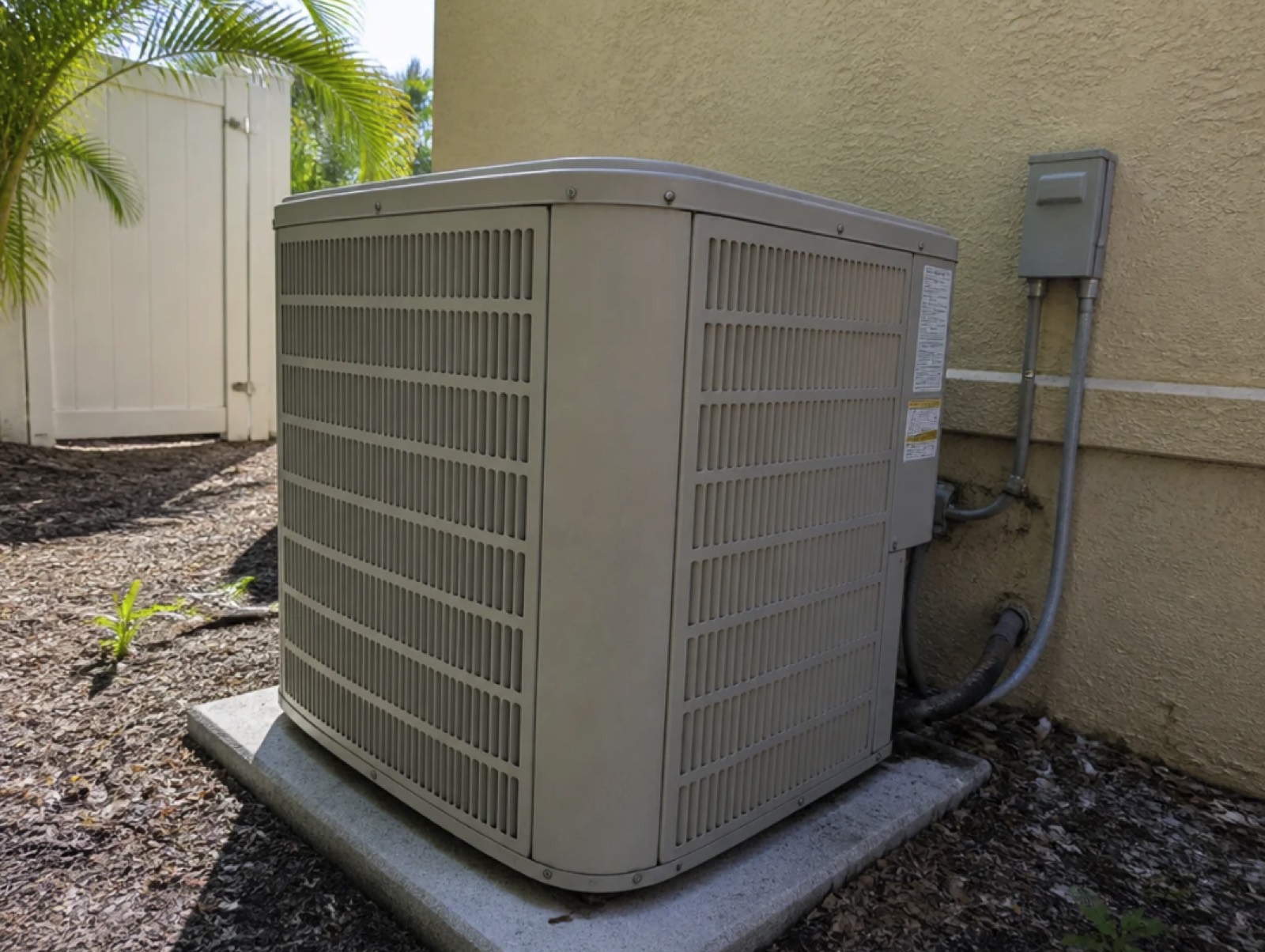
If it's been more than a year since the last tune-up, the system is due, especially in Florida. AC systems here run nine to ten months a year, so the standard recommendation is service twice a year. Twice a year is the honest answer in this climate. Central air conditioning runs almost year-round here, and a maintenance schedule is what keeps it out of the repair queue.
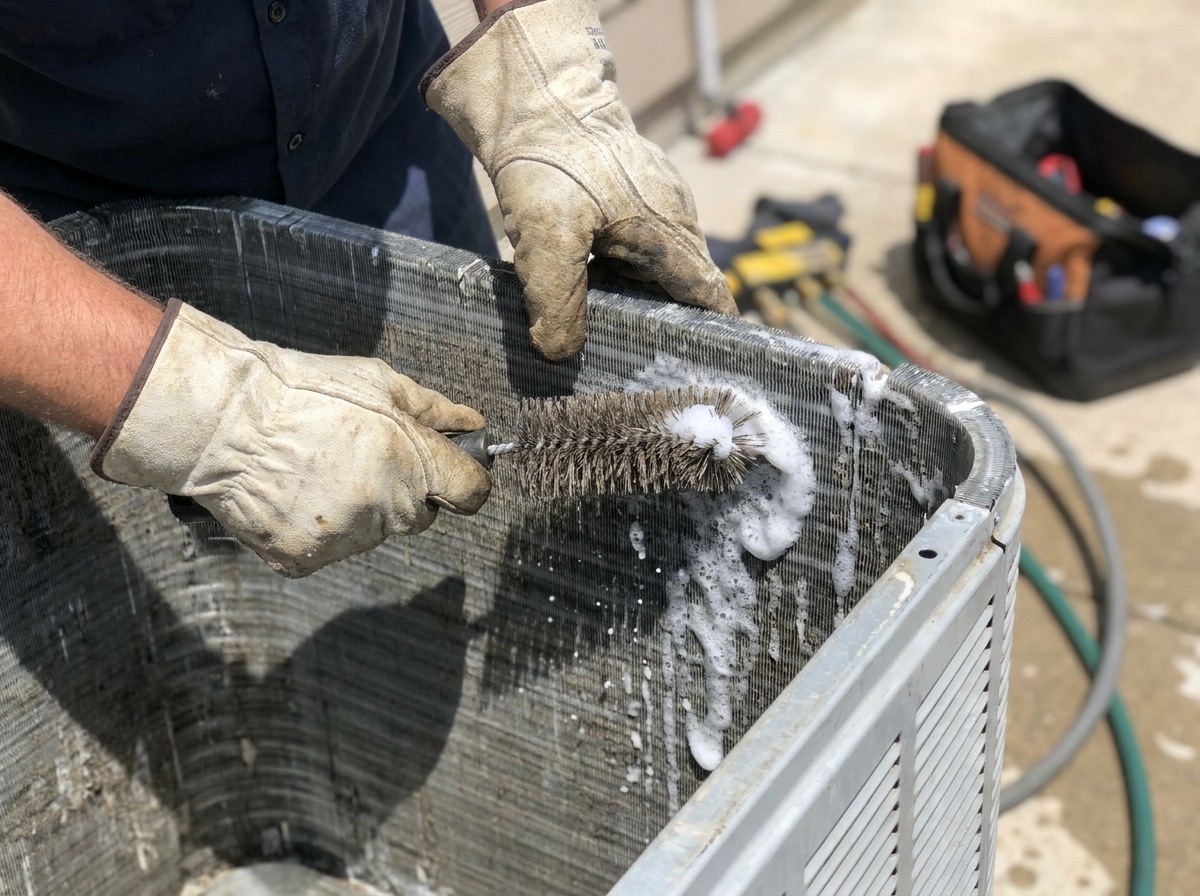
A full tune-up follows the maintenance tasks in ANSI/ACCA Standard 4, the industry standard for residential HVAC. Here's what Frostline checks, cleans, and tests on every visit. The same checklist applies to every air conditioner we service, whether it is a heat pump or a straight cooling unit. Maintenance services are priced the same either way.
The evaporator and condenser coils move heat out of your home. When they're coated in dirt, the system uses more energy and cools less. Dirty coils can use up to 40% more energy than clean ones. Frostline cleans both coils and checks the fins on the outdoor unit, where coastal salt air causes corrosion. Coil condition drives more of the air conditioning bill than anything else. Salt air adds a layer of corrosion that inland HVAC systems never see.
The condensate drain line carries water away from the indoor unit. In Florida humidity, algae clogs the line, which backs up water and can shut the system down on a float switch. Frostline clears the drain line, flushes it, and tests the float safety switch so it drains clean through the summer. A blocked line will shut the air conditioner down mid-August. Clearing it is five minutes of maintenance that prevents an emergency service call.
The filter keeps dust off the coil and the blower. A clogged filter is the most common cause of weak airflow and high bills, and it's the one task you can handle between visits. Frostline checks the filter on every tune-up, replaces it, and shows you the right size and schedule for your system. Filters are the one job homeowners can own. Everything else on the air conditioning side needs a professional with gauges and training.
Frostline measures the refrigerant charge and tightens the electrical connections. A system low on refrigerant has a leak, not normal loss, so a low reading flags a problem early. A weak capacitor and loose connections are common causes of a summer breakdown, and a tune-up catches them before they fail and turn into an emergency AC repair. Electrical checks are where HVAC maintenance earns its keep. A weak part found in spring is a small repair; found in July it is an emergency air conditioning call.
Beyond cleaning, Frostline calibrates the thermostat, checks the blower motor and its amp draw, inspects the ductwork, and tests how the whole system performs. You get a report of what was checked and anything worth watching. A maintained system runs more efficiently and lasts longer. The report is yours to keep. It matters at resale, and it tells the next air conditioning technician what has already been done.
Our Process
Call or message Frostline to book a tune-up. Spring and fall are the two best windows in Florida, before and after the hardest cooling months. Spring is the visit that matters most. Booking air conditioning maintenance before the cooling season starts avoids the queue everyone else joins in June. Installation and repair services book up at the same time.
A technician inspects and tests the whole system, not just one part. Coils, drain line, filter, refrigerant charge, electrical, thermostat, and airflow all get checked. The whole air conditioner gets checked, not only the part that prompted the call. HVAC service is worth booking only if it is thorough. Heat pump systems get the heating side checked as well.
After the inspection, you see what was checked and the condition of each part. If something needs attention, Frostline shows you the issue and the price before any extra work. Nothing happens without your say-so. Any repair beyond the air conditioning maintenance visit is priced and agreed first.
Cleaning, calibration, and minor adjustments are completed on the visit. The system is tested before the technician leaves, and you're set until the next service. You are set until the next service. Most homeowners book the following air conditioner visit before we leave. Maintenance services are the one thing worth booking ahead.
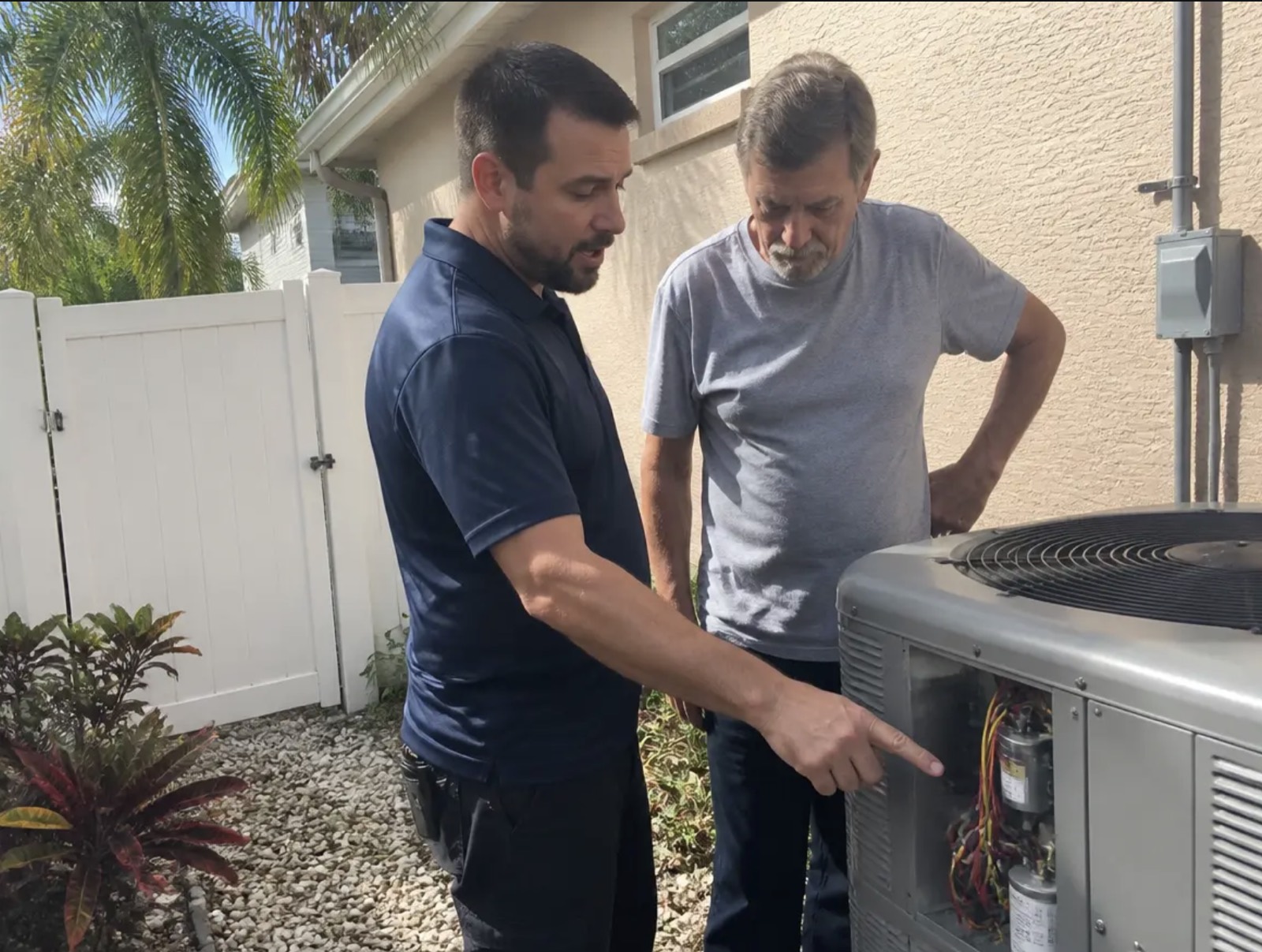
AC maintenance is part of what Frostline does as an AC specialist. The technicians work on residential AC and HVAC systems every day, and a tune-up follows the ACCA Standard 4 task list, not a quick once-over. Frostline prices maintenance upfront, with no contract and no upsells, so you book a tune-up when you need one. Air conditioning is the trade here, not a sideline. HVAC maintenance follows the same task list every visit, installation work is handled by the same technicians, and repair services run from the same van.
Regular maintenance is the cheapest way to avoid a breakdown and a high energy bill. A maintained AC in Florida can last 15 to 20 years, while a neglected one often fails in 7 to 8. Frostline provides AC maintenance across Delray Beach and coastal Palm Beach County, where systems run nine to ten months a year and salt air wears down the outdoor unit. When a system needs more than a tune-up, Frostline also handles AC installation and replacement. There is no contract. Most homeowners book the next HVAC maintenance visit while the technician is still on site.
Get My Free Quote
We diagnose before we quote, at no cost.
Twice-a-year service to keep your AC efficient and extend its life. Two air conditioning visits a year is the local standard.
24/7 emergency AC service. Emergency HVAC service runs at a higher rate overnight.
Diagnosis before any quote. No upsells. Air conditioner pricing is fixed before any work starts, and so is installation pricing.
Answers to the questions homeowners ask most before booking AC maintenance. These come up on most air conditioning maintenance calls. Heating questions come up far less.
A Frostline tune-up follows the ANSI/ACCA Standard 4 task list. That means cleaning the coils, clearing the condensate drain line, checking and replacing the filter, measuring the refrigerant charge, tightening electrical connections, testing the capacitor, calibrating the thermostat, checking the blower motor and amp draw, and testing overall airflow and performance. You get a report of what was checked. That list is the same for a heat pump as for a cooling-only air conditioner, though heating mode adds a couple of heat-side checks.
Twice a year is the standard in Florida: once in spring before the cooling season, and once in fall. Most of the country runs on once a year, but Florida AC systems run nine to ten months a year, and coastal salt air adds wear. If you've only ever done it once a year, the spring visit is the one that matters most. Spring matters more than fall here. Air conditioning maintenance before the season beats HVAC service after a breakdown every time.
Yes. A maintained system uses less energy and lasts longer. The U.S. Department of Energy notes a dirty coil can raise energy use by 30% or more, and dirty coils can quietly waste over $1,000 in energy across five years. A maintained AC in Florida can last 15 to 20 years, while a neglected one often fails in 7 to 8. The tune-up costs far less than the energy and the early replacement it prevents. The maintenance cost is small next to an early installation. A neglected air conditioner in this climate rarely reaches fifteen years. Heating equipment lasts longer simply because it runs less.
Some of it. Changing the filter, keeping the area around the outdoor unit clear, and rinsing the condenser are tasks a homeowner can handle. The rest needs a technician: cleaning the coils, measuring the refrigerant charge, testing the capacitor and electrical, and clearing the drain line all take tools and training. The filter is the one to stay on top of between visits. Leave the refrigerant and electrical side to a professional. Those are the air conditioning checks that need gauges, not a screwdriver. A professional visit covers the cooling and heating sides both.
Yes, mostly through airflow. A clogged filter or a dirty coil forces the system to run longer for the same cooling. For every 10% drop in airflow, efficiency can fall 6 to 8%, and even a thin film of dirt on the coil can cut efficiency by about 20%. Cleaning the coils and replacing the filter restores airflow and brings the bill back down. Airflow is most of the bill. Restoring it is the cheapest air conditioning maintenance result you will get.
The system keeps running, but it runs harder and wears out faster. Dirt builds on the coils, the drain line clogs, and refrigerant or electrical issues go unnoticed while efficiency drops. A neglected AC in Florida can fail years earlier than a maintained one, often in 7 to 8 years instead of 15 to 20. On the coast, salt air speeds that up by corroding the outdoor coil and electrical parts. Heating months never arrive to give equipment a break, so the maintenance interval here is shorter than the manual assumes.