
Frostline repairs residential AC and HVAC systems. We run a full diagnostic and show you the problem before any work starts. You get a price upfront, and we won't push you toward a new system you don't need. Air conditioning problems in South Florida rarely wait for a convenient moment. We service air conditioning on residential systems across Delray Beach, and the same technicians cover maintenance and installation when a system is past saving.
Get Your Free Quote
Thank You For Your Submission!
A team member will be reaching out to you shortly.




Most AC problems show warning signs before the system quits. Below are the most common signs and what each one usually means. An air conditioner gives you warning before it stops. Most homeowners notice the air first, then the noise, then the cooling. Catching it at the air stage keeps the job small, and a clean filter buys the air conditioner time.
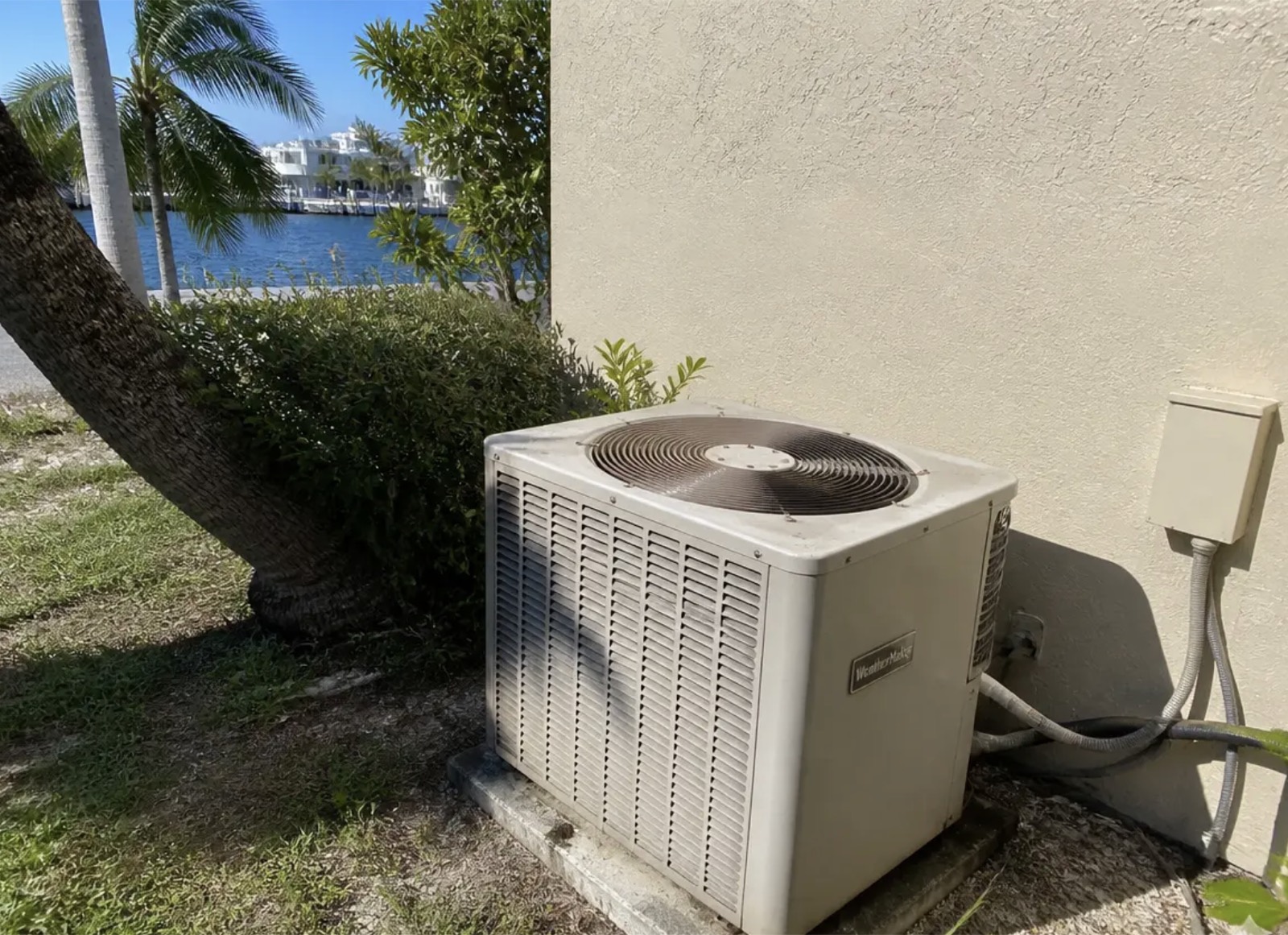
The system runs but the air isn't cold, or some rooms stay warm. Common causes are low refrigerant, a dirty coil, or a failing compressor. Warm air moving through the vents usually means the air conditioning has lost capacity rather than failed outright. A home this size should hold temperature comfortably, and when it cannot, the cooling side needs looking at.
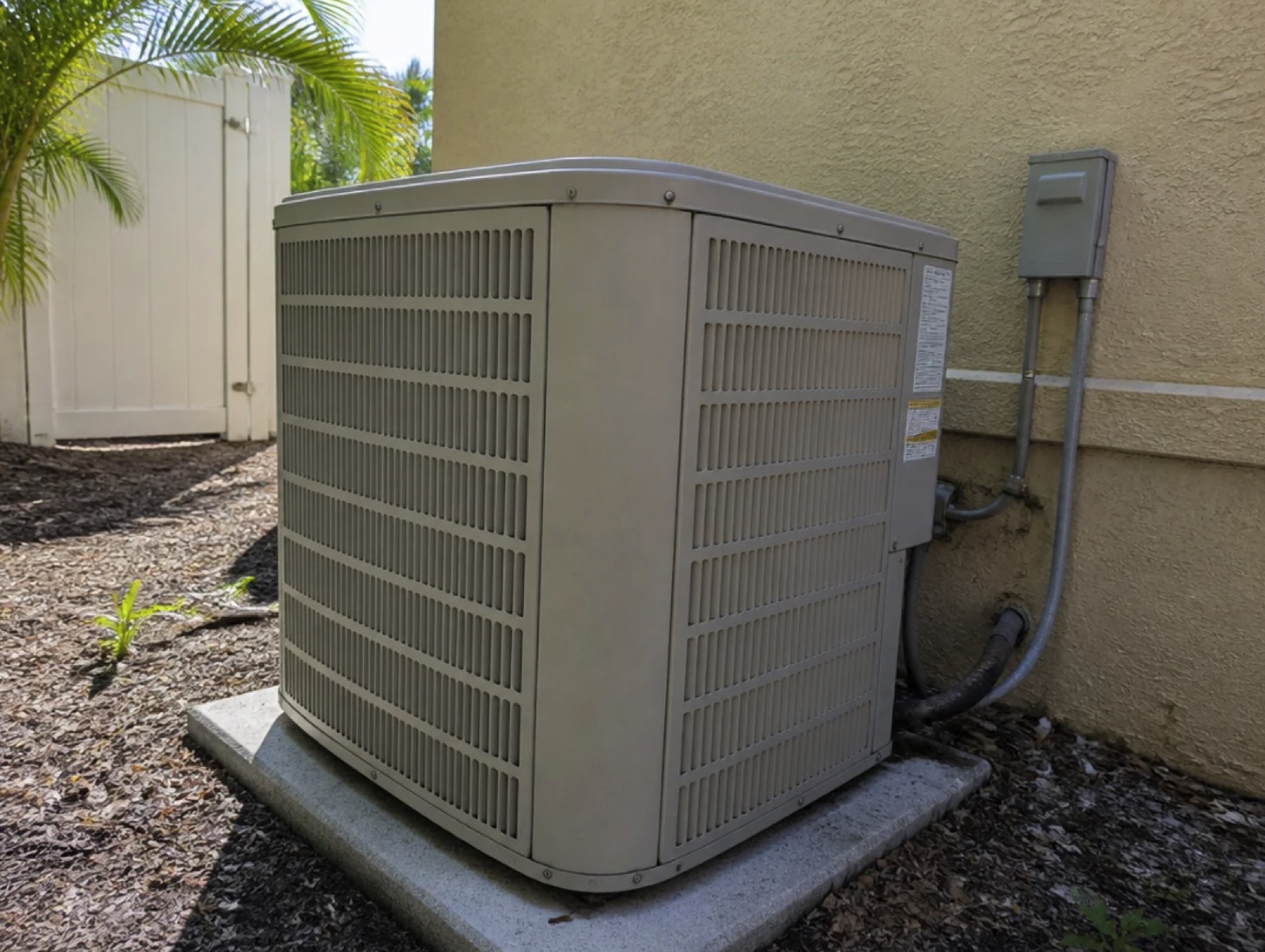
The AC turns on and off in quick bursts. Common causes are low refrigerant, a frozen coil, or a failing control board. Each restart adds wear to the compressor. Short-cycling wears a system faster than almost any other fault. Air conditioning that starts and stops all afternoon works harder than a system running steadily, and the electrical parts feel it first.
Water pooling by the indoor unit usually means a clogged condensate drain line. Ice on the coil or refrigerant lines means restricted airflow or low refrigerant. Water around an air conditioner is almost always the drain, not the refrigerant. Ice on the evaporator coil is the airflow side, and a blocked condenser outside shows up the same way. Either way the system tells you something before it stops cooling the home.
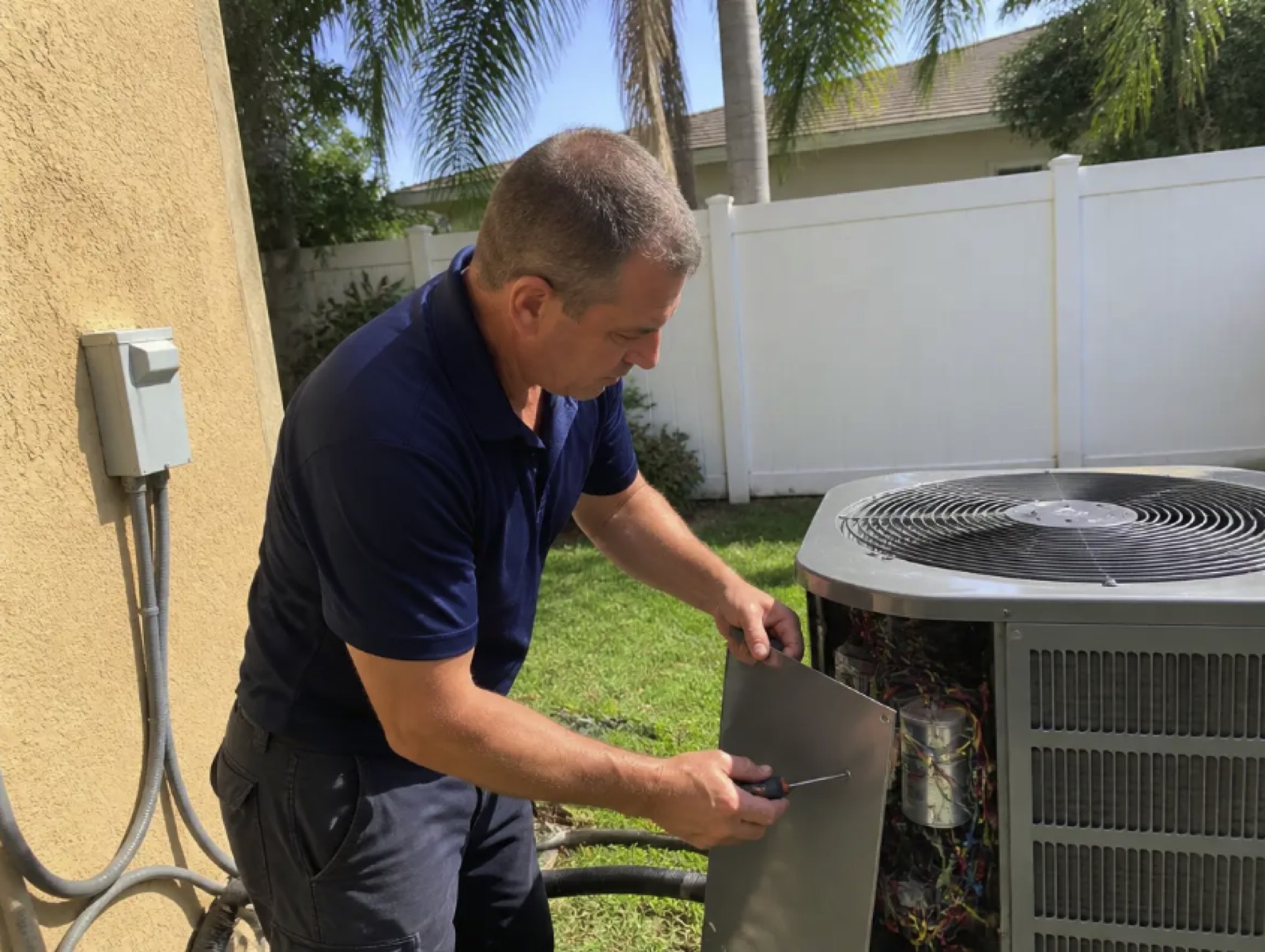
Grinding or squealing usually means a worn motor or bearing. A burning smell points to an electrical problem. A musty smell is usually mold in the drain line or ducts. Smells travel through the air handler before anything else. A musty air return points at the drain line, and an electrical smell means shutting the air conditioning down until someone looks at the system.
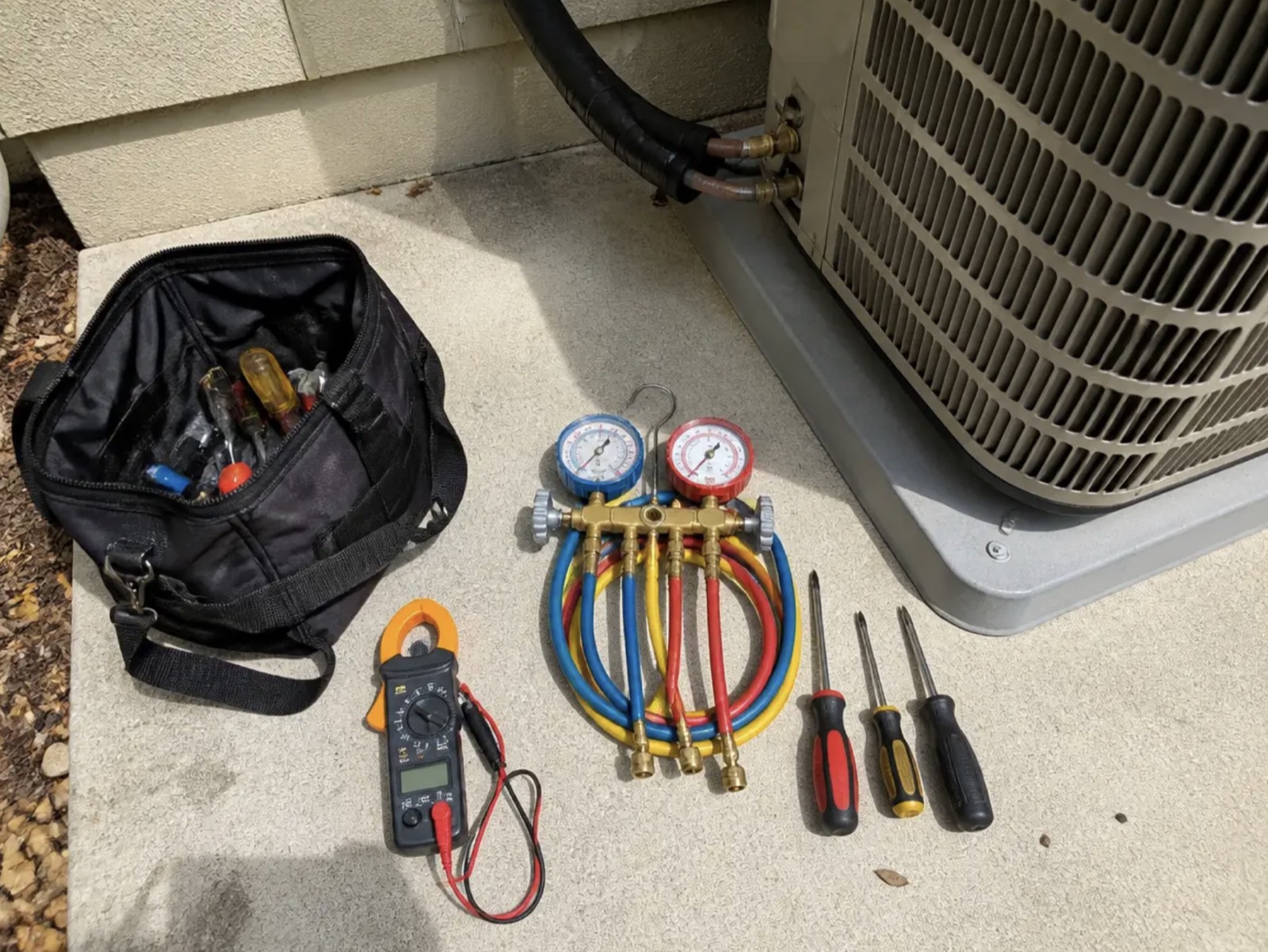
Most AC and HVAC repairs come down to one failed part, usually electrical, refrigerant, or airflow related. We diagnose the specific component first, then repair that component. Most air conditioning services come down to one component rather than a whole system. We test the electrical side, the refrigerant charge, and the airflow first, because the symptom rarely names the part.
The compressor is the most expensive part in the system. A compressor that won't start is often a failed capacitor or contactor instead. We test those parts first. When the compressor itself has failed, we show you the meter reading and the repair-or-replace cost. A compressor is the one component where replacement genuinely competes. On an older air conditioner we put both numbers in front of you, including what a new system would cost.
The capacitor starts the compressor and fan motors. It is the most common AC failure, worn down by heat, power surges, and age. A unit that hums but won't start, or a fan that won't spin, usually points to the capacitor. It is the cheapest common repair and often same-day, so we check it first. It is also the component most often swapped unnecessarily. We measure before we act, and the air conditioning goes back to full cooling the same visit. Regular maintenance catches it earlier still.
Refrigerant runs in a sealed loop and isn't used up. If your AC is low, it has a leak. We find and seal the leak, then recharge to spec. A simple top-off runs low again within weeks. R-410A has gotten expensive, so sealing the leak once costs less than repeat refills. Sealing beats topping up on any air conditioning system. A leak left alone keeps costing, and refrigerant is now the expensive part of the whole air conditioner.
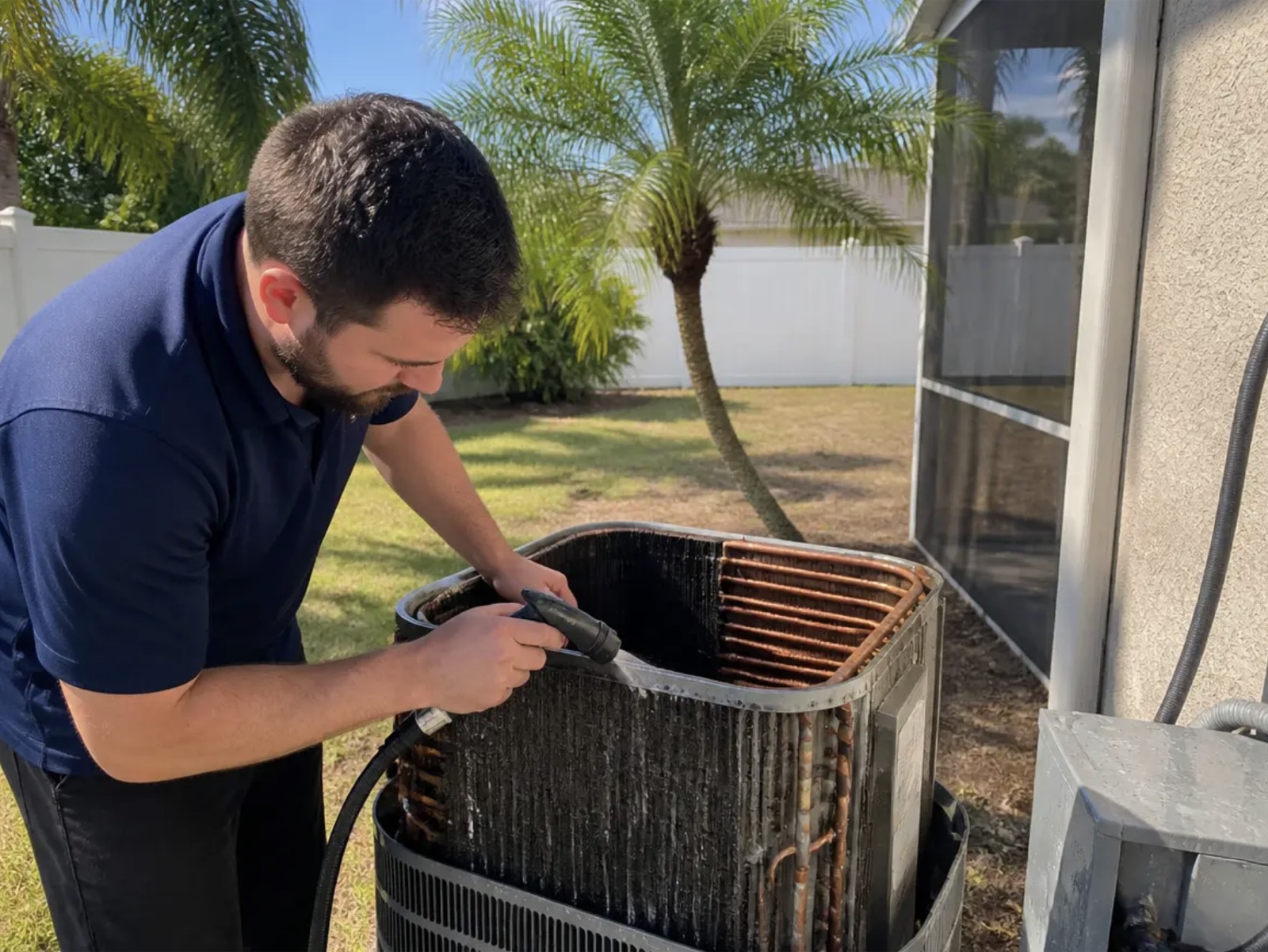
When the outdoor fan won't spin, the system can't shed heat and the compressor overheats. The cause is usually a failed capacitor, a worn motor bearing, or debris jamming the blades. We confirm the cause before replacing the motor. Routine AC maintenance catches a failing fan motor early, before it damages the compressor. Motor trouble announces itself as noise first. Catching it while the air conditioning is still cooling normally is the cheapest moment to act, and heating season here is too short to give the system any real rest.
Dirty coils and clogged drain lines block airflow and stop cooling. In humid climates, an algae-blocked condensate line is one of the most common summer failures. We clear the blockage, clean the coil, and check airflow. A clogged drain line can also overflow and cause water damage, so we test the drain and safety switch. Airflow is the part homeowners cannot see. A blocked coil starves the air conditioner, and the home feels it long before the system reports anything. Indoor air quality drops with the airflow too.
Our Process
Call or message us and describe the problem. Tell us if the AC isn't cooling, is making noises, is leaking water, or won't turn on. A short description saves a trip. Tell us whether the air is warm, whether the air conditioning is running at all, how old the system is, and roughly how big the home is.
A technician checks the refrigerant charge, electrical components, airflow, and drain line. The cause is often a different part than the symptom suggests. The diagnostic covers the whole air conditioning system, not only the part that failed. Electrical, refrigerant and airflow all get checked, because a home cooling unevenly is often three small things rather than one big one.
You see what we found and get the exact price before any work starts. If replacement is an option, we give you the repair-versus-replace numbers in writing. You see the numbers before we start. If installation of a new air conditioning system is the better call, that comparison sits in writing next to the other figure for your home.
We make the repair, test the system, and clean up the work area. We stock common parts for same-day repair. Common components stay on the van, so most air conditioning services finish the same day. The system gets tested under load before we leave the home, and the air handler filter gets checked on the way out.
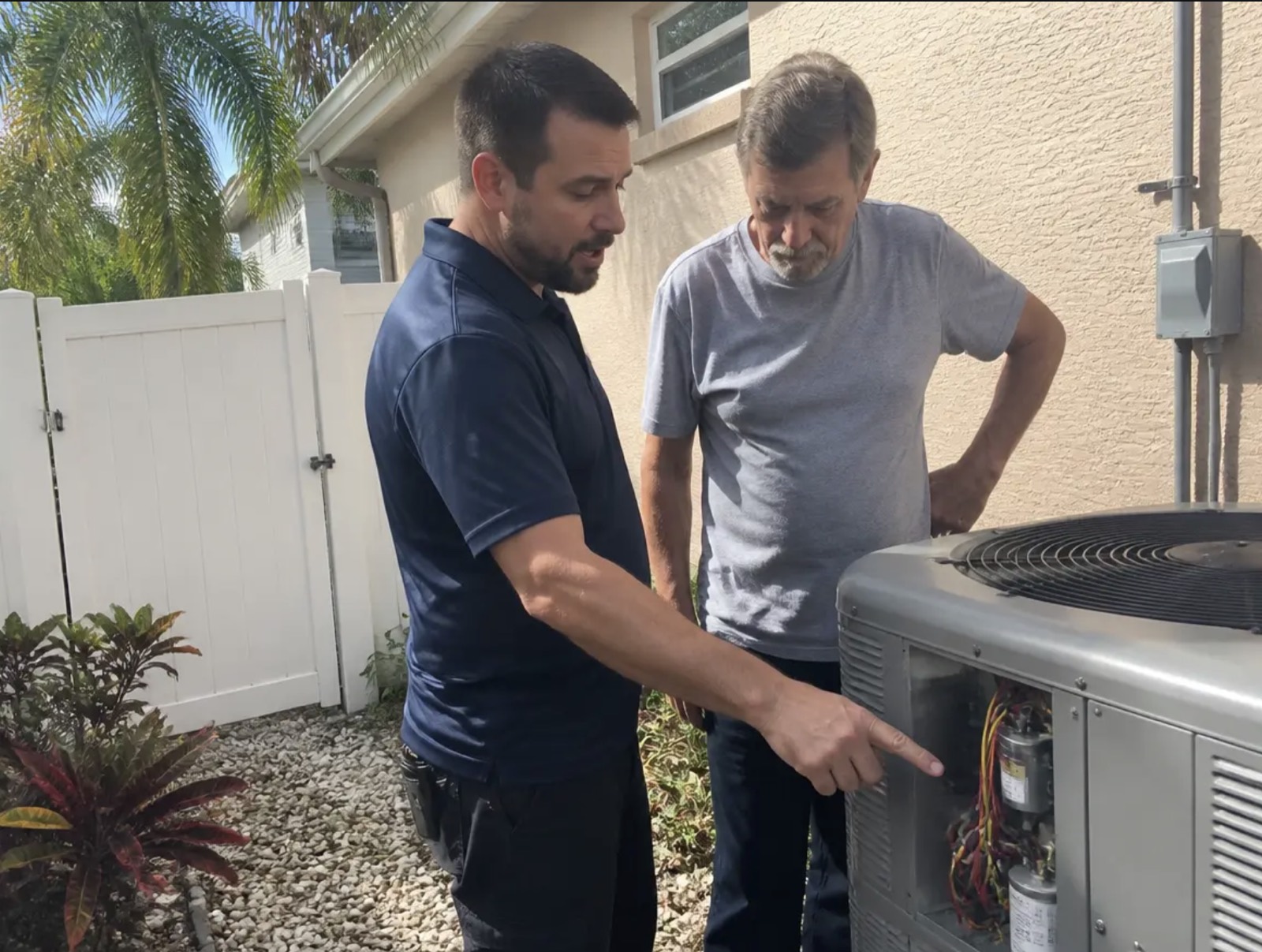
AC repair is what we do. Frostline is an AC repair specialist. Our technicians work on residential AC and HVAC systems every day. We repair the failed part and show you what we find before we start work. Air conditioning is the whole business here, not a sideline. Our technicians see the same system types every week in this climate, which is why a diagnosis on your home lands quickly.
When a repair no longer makes financial sense, we tell you and explain your AC replacement options. We don't push replacement. Our technicians are licensed, insured, and bonded, and our repairs are backed by a warranty. Replacement comes up only when the numbers say so. A new air conditioning installation is a bigger conversation, and we treat it that way rather than leading with it.
We provide AC repair across Delray Beach and coastal Palm Beach County, and we answer the phone 24/7. Frostline prices every job upfront and won't replace parts that are still working. Emergency air conditioning services are available overnight, and a reliable response matters more here than most places, because a home without cooling in August is not liveable. Heating calls are rare; cooling is the year-round load.
Get My Free Quote
We diagnose before we quote, at no cost. A proper diagnosis on the air conditioning costs nothing up front.
We stock common parts for same-day repair. That covers most air conditioner failures we see in this climate.
24/7 emergency AC service. Overnight air conditioning services run at a higher rate, and we say so before dispatch.
Diagnosis before any quote. No upsells. Every system gets the same diagnostic regardless of age, whichever air conditioning services you booked.
Answers to the questions homeowners ask most before booking AC repair. These come up on almost every air conditioning call we take.
Most repairs run $150 to $650. A capacitor sits at the low end, since the part is cheap and you're mostly paying for the diagnosis and the trip. A compressor can run $1,800 to $2,800 out of warranty. We diagnose first and quote the exact number before any work starts. Those figures cover most residential air conditioning work in this area. A whole system replacement sits in a different bracket, and we show both numbers when a home needs the comparison.
Yes. A real diagnosis means a technician measures the refrigerant charge, tests the electrical parts, and checks airflow. We tell you the diagnostic fee upfront before we come out. After-hours emergency AC repair calls cost more because of the higher labor rate. The fee covers a technician's time on your air conditioning system, and it comes off the bill if you go ahead with the work.
No. We repair the failed part and show you what failed. A single bad part, such as a capacitor, contactor, or fan motor, is a repair and not a reason to replace the system. We only bring up replacement when the repair cost stops making sense, and we show you the numbers. Selling a system nobody needs is the fastest way to lose a customer in a town this size. We would rather keep the air conditioning running another five years in a home that already has enough going on.
Two rules help. The $5,000 rule: multiply the system's age by the repair cost. If the total is over $5,000, compare the cost of replacing the system. The 50% rule: if one repair costs more than half the price of a new system, replace it. A 12-year-old unit needing an $800 repair passes both. We give you the numbers and let you decide. Age matters as much as cost. An air conditioner past twelve years in this climate has done more work than the same unit up north.
Yes, and if your system runs on R-410A you don't need to replace it. Older R-410A systems can still be repaired and recharged for their full life. A recharge alone is temporary, though. Refrigerant runs in a sealed loop, so if it's low, it's leaking. We find and seal the leak first, then recharge to spec. R-410A has gotten expensive, so sealing the leak once costs less than repeat refills. Heating season gives equipment a rest in most states. Here it does not, so an air conditioning system ages faster and maintenance matters more than it would up north.